
The Need for Service Dogs for Veterans and Active Duty Military Personnel
Types of Dog Programs
Service Dogs
The term "Assistance Dog" is an umbrella term that covers the categories described below.
Guide Dogs
Trained to find and follow a clear path, maneuver around obstacles, and stop at curbs. A user with a guide dog gains enhanced mobility and independence.
Hearing Dogs
Alert the deaf and hard of hearing to important sounds
Service Dogs
Trained to help people who have disabilities other than visual impairment. This dog may be trained to provide balance, fetch and retrieve dropped items, or carry a backpack.
Skilled Companion Dogs
Enhance independence for adults with cognitive disabilities
Combat Stress Relief Dogs
Trained canines deployed in theater for active duty personnel. They offer emotional support for servicemen and women dealing with combat stress, homefront issues, and sleep disorders.
Facility Therapy Dogs
Trained to provide physical therapy assistance at military or VA hospitals for wounded soldiers. They may also make visits to VA nursing homes or hospices.
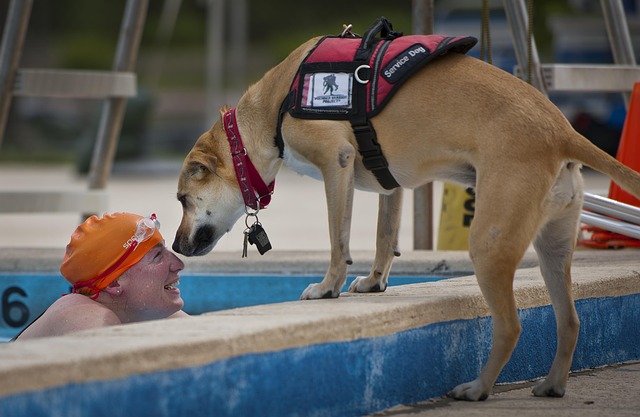
- According to the Department of Defense, as of July 2011 over 40,000 service men and women have been injured in the current conflicts since 2003.
- These include such life-altering injuries as: blind; with amputated limbs; spinal cord injuries; traumatic brain injuries; or suffering from post traumatic stress disorder.
- Heroes in need of guide and service dogs have vastly exceeded original projections
- These precious dogs can help our heroes live again with dignity and self-reliance.
- It costs between $10,000 and $60,000 to raise and train a guide, therapy or service dog.
- Vets Helping Heroes is answering the call to serve the men and women who have sacrificed so much for our country.
- The recently passed government bill will be a great help but does not eliminate the need for private donations.